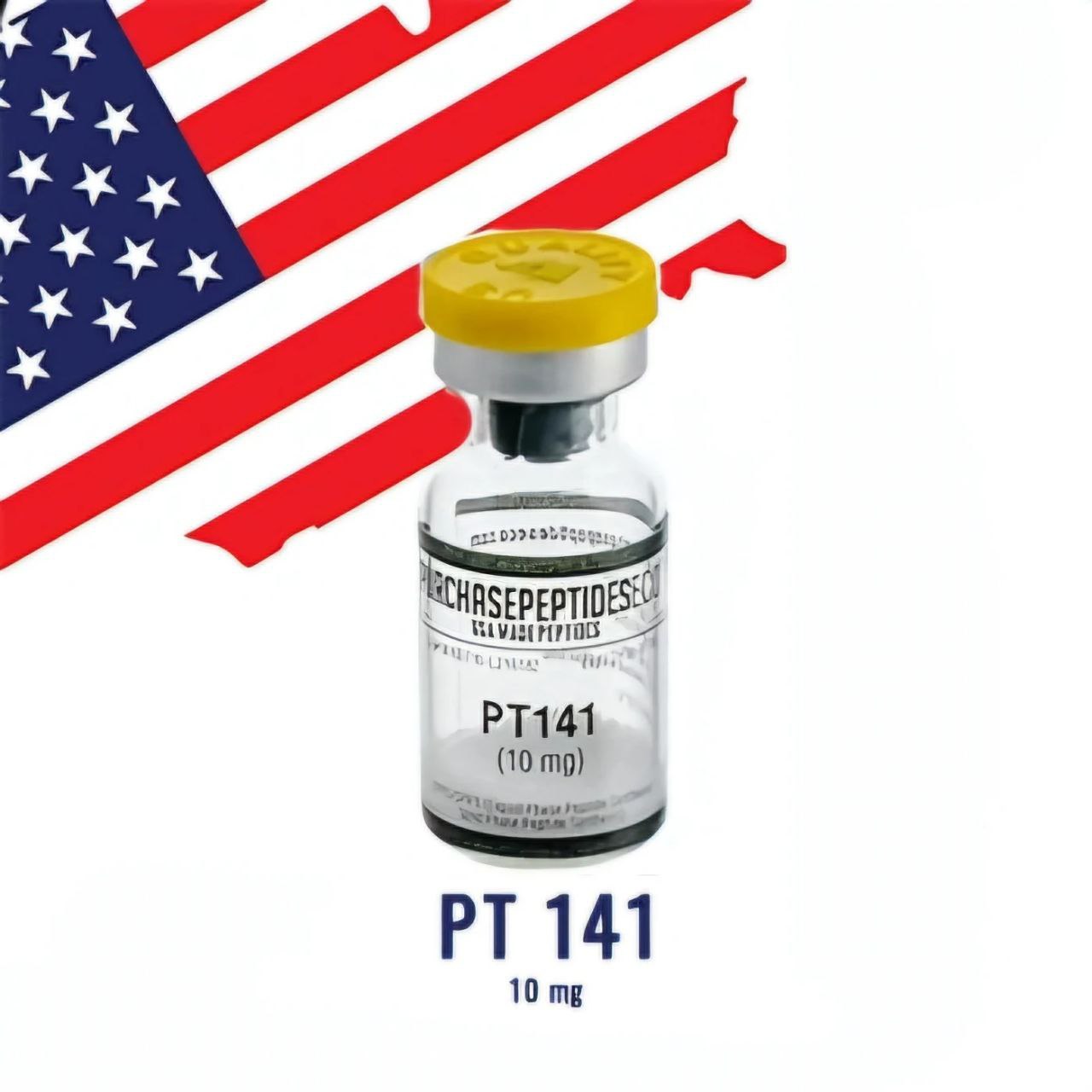
PT-141, scientifically known as Bremelanotide, is a peptide-based medication developed to influence sexual desire and certain forms of sexual dysfunction. It acts through the central nervous system and has been clinically studied for its effects on sexual desire and arousal, particularly in specific patient groups.
How Does PT-141 Work?
PT-141 works by targeting melanocortin receptors in the brain, especially pathways associated with sexual motivation and arousal. Unlike Viagra and other phosphodiesterase inhibitors, which primarily act through blood-flow mechanisms, PT-141 works mainly through the central nervous system.
For Women: Bremelanotide is clinically used in certain premenopausal women with acquired, generalized hypoactive sexual desire disorder (HSDD).
For Men: PT-141 has been studied for erectile and sexual-arousal responses, although it is not an established FDA-approved treatment for erectile dysfunction in men.
Uses of PT-141
1. Sexual Dysfunction
PT-141 is primarily associated with the treatment of HSDD in eligible women. It has also been investigated experimentally in men with erectile or sexual-arousal difficulties.
2. Supporting Libido
Because it acts on brain pathways involved in sexual motivation, PT-141 may increase sexual desire in appropriately selected patients.
3. Effects on Motivation and Arousal
Melanocortin signaling is involved in several neurological processes. However, claims that PT-141 reliably improves general energy levels, mood, or motivation outside sexual-health contexts are not firmly established.
How Is PT-141 Used?
PT-141 is generally administered by subcutaneous injection in its approved medical formulation. The appropriate dose and frequency depend on the specific indication and the individual’s health status.
It should be used only according to professional medical guidance.
Side Effects
Possible side effects include:
Nausea
Headache
Flushing
Injection-site reactions
Temporary increases in blood pressure
Vomiting
These effects may vary between individuals. Serious or persistent symptoms require medical evaluation.
Important Considerations When Using PT-141
Medical Approval: Consult a healthcare professional before use.
Dosage: Do not exceed the medically recommended amount.
Storage: Follow the storage requirements provided with the specific approved product or formulation.
PT-141 and Other Therapeutic Approaches
PT-141 differs from many traditional sexual-health treatments because it primarily acts through the nervous system rather than directly through vascular pathways.
1. Combination With Hormonal Treatment
If reduced sexual desire is associated with an underlying hormonal disorder, medical evaluation may include hormonal assessment. PT-141 should not automatically be combined with testosterone, estrogen, or other hormonal treatments without professional supervision.
2. Integration With Psychological Support
Sexual desire can be affected by stress, anxiety, relationship factors, trauma, and other psychological influences. In appropriate cases, psychological or sex therapy may complement medical treatment.
3. Physical Activity and Nutrition
Regular exercise, balanced nutrition, adequate sleep, and stress management can support general sexual and metabolic health. These lifestyle measures may complement—not replace—appropriate medical treatment.
Potential Benefits of PT-141
Some of the main benefits associated with PT-141 include:
Supports Sexual Desire: May improve sexual desire in certain individuals with clinically diagnosed HSDD.
Central Mechanism: Works through melanocortin pathways in the brain rather than relying solely on vascular effects.
Use in Women: It provides a medically recognized option for a specific form of low sexual desire in eligible premenopausal women.
Different From PDE-5 Inhibitors: Its mechanism is distinct from medications such as sildenafil and tadalafil.
The Future of PT-141
Peptide-based treatments continue to attract interest in medical research. PT-141 is particularly important because it demonstrated that melanocortin pathways can be targeted therapeutically in sexual medicine.
Research and Development
Scientists continue to investigate melanocortin signaling and related compounds for broader applications. However, potential uses involving fatigue, stress disorders, or general energy enhancement remain experimental and should not be treated as established benefits.
Expansion of Formulations
Alternative delivery methods and formulations may be investigated over time, but only products with appropriate clinical evidence and regulatory approval should be considered equivalent to approved bremelanotide therapy.
PT-141 is an innovative treatment that acts through central nervous system pathways involved in sexual desire and arousal. Its strongest established clinical role is in specific cases of hypoactive sexual desire disorder in premenopausal women.
Like any prescription treatment, PT-141 should be used according to individual medical needs and under the guidance of a qualified healthcare professional.
Cookies compliant with legal regulations are used so that you can benefit from our website in the best way. By using our website, you accept these cookies. I Accept