
-
Call Us 0536 986 0950

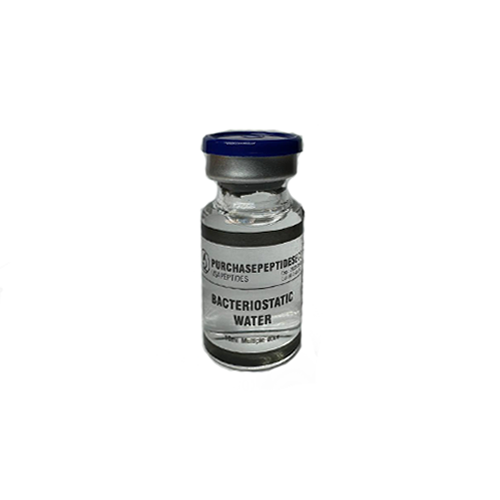
Bacteriostatic Water is sterile water used to dilute or dissolve injectable medications. It generally contains 0.9% benzyl alcohol. Benzyl alcohol inhibits the growth of bacteria, allowing the water to remain sterile for a longer period.
This water should not be confused with single-use Sterile Water for Injection. While sterile water is intended for single-dose use, bacteriostatic water is suitable for multiple-dose use.
Thanks to these features, it is frequently used, especially in medical and pharmaceutical fields.
Although Bacteriostatic Water and Sterile Water may appear similar, they have important differences:
| Feature | Bacteriostatic Water | Sterile Water |
|---|---|---|
| Benzyl Alcohol Content | Yes (0.9%) | No |
| Multiple-Dose Use | Yes | No |
| Prevention of Bacterial Growth | Yes | No |
| Usage Period | Up to 28 days | Single use |
| Sterility | Yes | Yes |
These differences play an important role in determining which type of water should be used for which purpose.
Bacteriostatic Water has a wide range of uses in the medical and healthcare sectors. Here are some common areas of use:
Many medications need to be diluted or dissolved before injection. Bacteriostatic Water is used to make these medications suitable for injection.
Bacteriostatic water is preferred when preparing substances such as those used in hormone therapy or peptides used by athletes. The reason for this is that it allows multiple-dose use.
It is used as a sterile diluent in laboratory environments, drug testing, and biomedical research.
It is widely used in hospitals and clinics for preparing injectable medications.
When using Bacteriostatic Water, attention must be paid to sterility. Here is the step-by-step usage process:
It is very important to follow hygiene rules while carrying out these steps.
Bacteriostatic Water offers many advantages due to its ease of use and sterile structure:
However, as with any medical product, it may carry risks if not used properly.
Bacteriostatic Water is generally safe, but side effects may occur in some cases:
In addition, there is a risk of benzyl alcohol toxicity in newborn infants. Therefore, its use in newborns is not recommended.
Proper storage conditions should be maintained to preserve the effectiveness and sterility of this water:
Improper storage may reduce the effectiveness of benzyl alcohol and lead to bacterial growth.
Bacteriostatic Water is an important diluent that helps maintain sterility when preparing injectable medications. Thanks to its benzyl alcohol content, it can be used repeatedly and helps prevent bacterial growth. However, if proper storage and usage conditions are not followed, risks such as infection or allergic reactions may occur.
If you are going to perform a medical procedure, it is important to follow accurate information and sterile-use guidelines. It is especially recommended that you consult a doctor or qualified healthcare professional before a medical procedure.