
-
Call Us 0536 986 0950

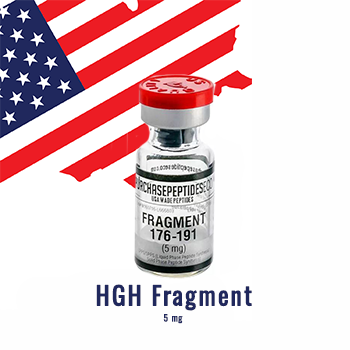
The substance commonly known as a “Fragment fat burner” is actually a peptide derivative called HGH Fragment 176-191. This peptide is derived from a specific portion of human growth hormone (Human Growth Hormone – HGH) and was developed in laboratory settings specifically to support fat metabolism and fat burning.
Fragment 176-191 represents only amino acids 176 through 191 of the 191-amino-acid growth hormone molecule, the region associated with its effects on fat metabolism. In other words, the portion of HGH linked to fat metabolism has been isolated.
This approach is intended to target the breakdown of fat cells (lipolysis) without producing the broader effects of growth hormone on muscle growth or blood glucose.
Fragment 176-191 works by promoting the process of lipolysis in the body. During this process, stored fat is broken down and used as an energy source. The peptide is often associated with targeting stubborn fat deposits, particularly around the abdominal area.
Rather than directly producing the full range of growth hormone receptor effects, the molecule is associated with mechanisms that influence adipose tissue. It is commonly described as having the following effects:
Because of these characteristics, it has attracted interest among athletes, bodybuilders, and individuals focused on body composition.
This peptide is generally administered by injection. Oral forms are not typically used because the digestive system can break peptides down and reduce their activity. Administration is generally performed through a subcutaneous injection.
Although usage approaches vary from person to person, commonly cited information includes:
The method of administration and dosage should be determined under professional supervision and according to the individual’s health status.
The benefits most commonly associated with Fragment fat burner include the following:
Its best-known characteristic is its potential to increase fat metabolism. When combined with diet and exercise, it may support the fat-loss process.
Muscle loss can occur during periods of calorie restriction and fat loss. Fragment 176-191 is often discussed for its potential to promote fat metabolism without directly targeting muscle tissue, which may be advantageous for body composition management.
Some users report that Fragment may help with appetite control. However, this effect can vary between individuals.
Greater use of stored fat as an energy source may influence energy availability. This is one reason it has attracted interest among physically active individuals.
Although Fragment 176-191 is often described as having fewer of the broader effects associated with HGH, it should not be considered free of side effects. Scientific research on its use remains limited, and its long-term effects are not fully established.
Because compounds affecting hormonal and metabolic pathways may influence normal physiological balance, unsupervised use may carry additional metabolic risks.
Fragment fat burner is not approved as a medical treatment in many countries. As a result, it is generally not sold as a conventional prescription medication and is frequently categorized as a research compound.
Anyone considering Fragment should take several important factors into account:
Fragment may support fat metabolism, but it is not a stand-alone or miraculous weight-loss solution. Body-fat reduction still depends primarily on factors such as energy balance, nutrition, physical activity, and individual metabolism.
It is important to remember that:
Scientific research on Fragment 176-191 remains limited, although some studies have investigated its possible effects on fat metabolism.
Animal studies, particularly studies in mice, have reported changes in adipose tissue and fat accumulation. However, further research is needed to determine whether these findings translate to humans and to establish its long-term effectiveness and safety.