
-
Call Us 0536 986 0950

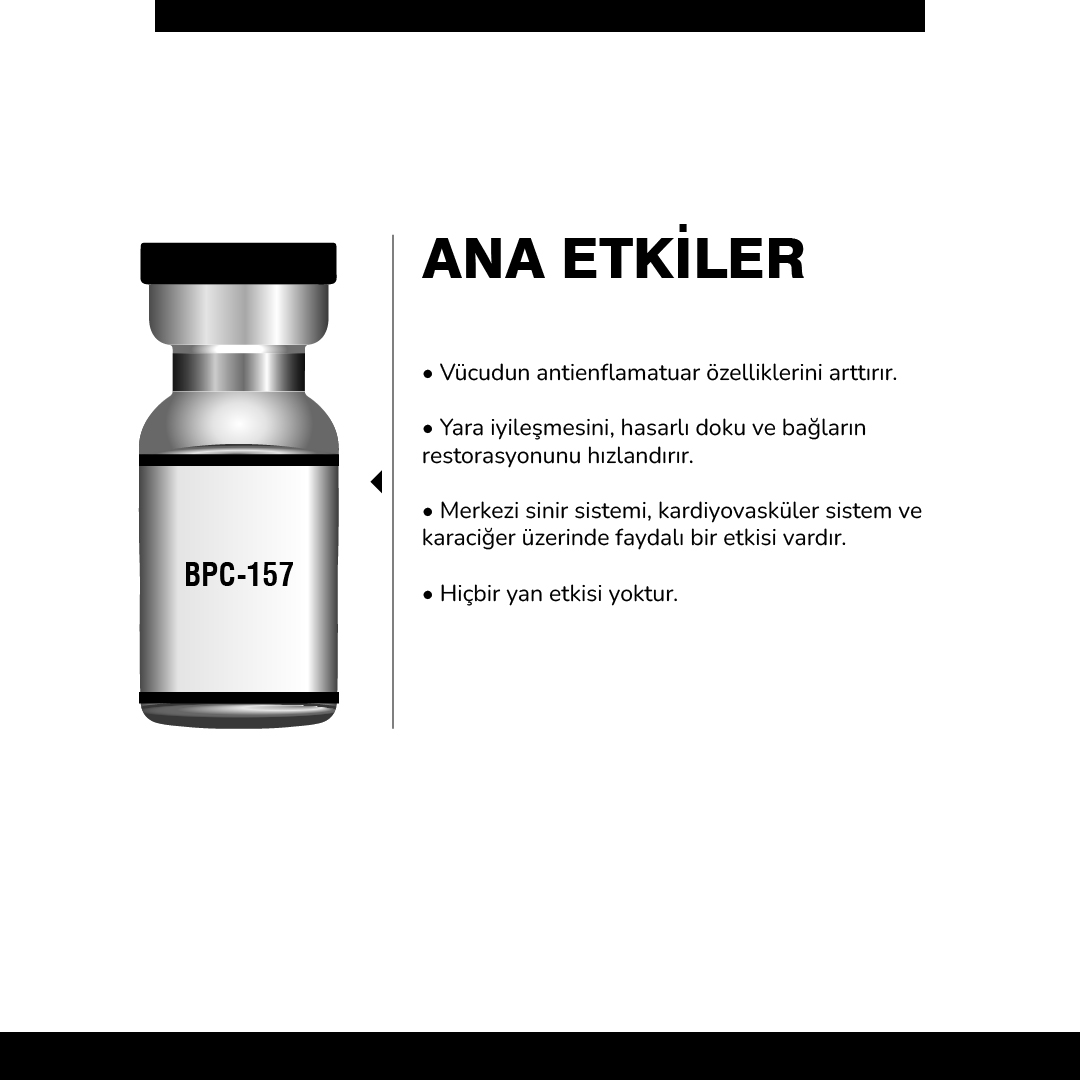
Gastric ulcers are a common digestive system problem today and may develop due to several factors, including stress, poor dietary habits, Helicobacter pylori infection, and medication use. Conventional treatment approaches generally include acid-suppressing medications and lifestyle changes. In recent years, however, scientists have also been investigating the effects of various biological molecules on gastric health. One of these molecules is BPC-157 (Body Protection Compound-157).
BPC-157 is a synthetic peptide derived from a protein associated with gastric juice. Research suggests that it may play a role in processes such as tissue repair, blood vessel formation (angiogenesis), and inflammation regulation.
For this reason, studies examining BPC-157 and gastric ulcers have attracted particular scientific interest.
Animal studies have reported that BPC-157 may contribute to faster healing of ulcers affecting the gastric mucosa.
This potential effect has been associated with mechanisms involving improved blood flow and support for the formation of new blood vessels.
Long-term use of NSAIDs (nonsteroidal anti-inflammatory drugs) such as ibuprofen and aspirin can damage the gastric mucosa.
Experimental studies have suggested that BPC-157 may have a protective effect against certain forms of NSAID-induced gastric injury.
Research suggests that BPC-157 may influence fibroblast activity and thereby support tissue-repair processes.
It has also been investigated for possible effects on oxidative stress and inflammatory signaling, both of which can affect cellular regeneration and healing.
BPC-157 has been studied not only in gastric ulcer models but also in experimental research involving:
These findings have made BPC-157 a notable research peptide in studies involving gastrointestinal health and tissue repair.
Although the findings are promising, the vast majority of scientific research involving BPC-157 has been conducted in animal models and laboratory settings.
Large-scale, well-controlled clinical trials in humans remain limited. Therefore, it cannot currently be stated that BPC-157 is a proven or definitive treatment for gastric ulcers.
BPC-157 is not currently an approved medication for human treatment in most regulatory jurisdictions.
It remains an experimental compound being investigated in scientific research. Additional clinical studies and formal regulatory evaluation would be required before it could be considered an established medical treatment.
Research on BPC-157 and gastric ulcers suggests that this peptide may have potential effects on protecting the gastric mucosa, supporting ulcer healing, and influencing broader gastrointestinal repair mechanisms.
However, because human clinical evidence remains limited, BPC-157 should currently be regarded as a subject of scientific research rather than an established treatment.
Disclaimer: This article is provided for informational purposes only and does not constitute medical advice. If you are considering BPC-157 or any other peptide, consult a qualified healthcare professional before making any health-related decisions.