
-
Call Us 0536 986 0950

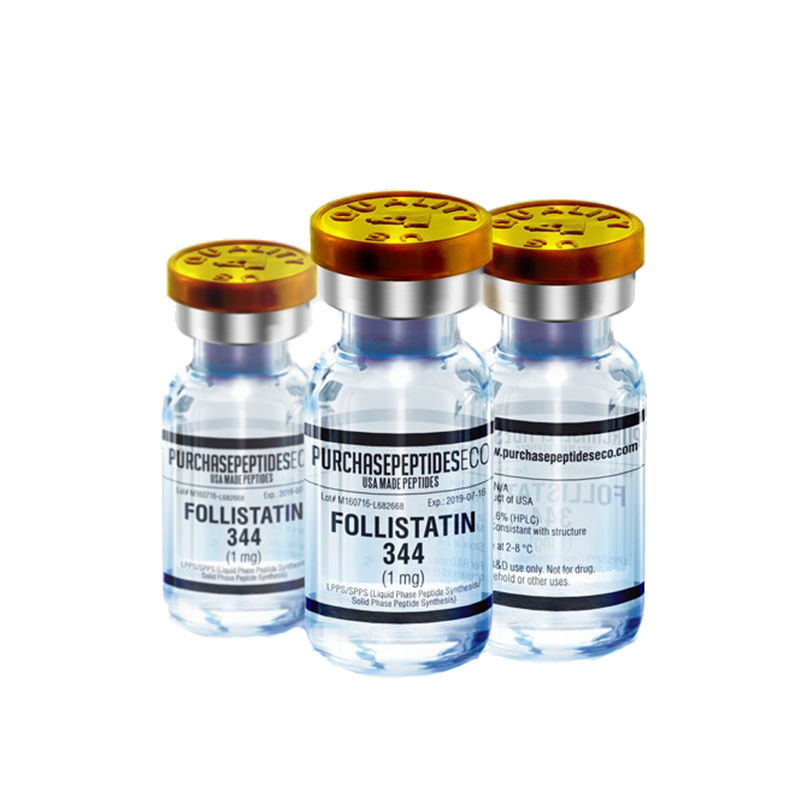
There is no single answer to the question “How are peptides used?” that applies to every product. Peptides are molecules formed by linking amino acids together. Some occur naturally in the human body, while others are developed as medications for specific medical conditions.
Before use, the following factors should be evaluated:
Each active ingredient affects the body differently. For this reason, general dosage calculations or injection instructions shared online should not be considered safe guidance for every peptide product.
Peptides are biological molecules formed when small building blocks called amino acids join together in a specific sequence. The number and arrangement of amino acids determine how the molecule functions in the body.
As the amino acid chain becomes longer, the structure may be classified as a polypeptide or protein. Therefore, not all substances in this broad category have the same size, effects, or medical uses.
The body uses peptide-based molecules in many processes, including:
Insulin and glucagon are well-known examples. Certain growth hormone regulators also have peptide structures.
The word “peptide” does not refer to a single medication or a single treatment method.
The fact that peptides naturally exist in the body does not mean that every laboratory-produced peptide product is safe. For example, tesamorelin is a prescription medication used for a specific condition involving excess abdominal fat in adults with HIV. It was not developed as a general-purpose weight-loss treatment.
How a peptide product is used depends on the structure of the active ingredient and the formulation in which it was developed. Some medications are administered by subcutaneous injection, while others may be given intravenously, intranasally, or through specially designed oral formulations.
Many peptide molecules can be broken down by stomach acid and digestive enzymes. Therefore, a product formulated for injection may not produce the same effect if taken orally.
Likewise, a medication designed for oral use should not be administered through another route. The correct route of administration should be determined according to official product information and the properties of the active ingredient.
A safe evaluation generally follows these steps:
Dosage and administration vary between prescription products. Instructions for one peptide should not be applied to another.
No. There is no universal dosage that applies to all peptide-based compounds. The required amount in micrograms or milligrams varies according to the active ingredient and its intended use.
Factors that may influence dosage include:
Some online sources suggest that peptide doses can be calculated using a standard formula based on body weight. This is not appropriate for compounds with very different mechanisms and potencies.
| Evaluation Factor | How It May Affect Dosage |
|---|---|
| Active ingredient | Each substance has a different potency |
| Intended use | The same medication may be used differently for different conditions |
| Kidney and liver health | May affect how quickly a drug is processed and eliminated |
| Age and general health | May affect both treatment response and side-effect risk |
| Product concentration | Determines how much active ingredient is present in a given volume |
| Other medications | May increase interaction or adverse-effect risks |
A mathematically correct dose calculation does not prove that the product is medically appropriate.
Especially when the composition, concentration, or manufacturer cannot be verified, calculating the correct volume does not solve the underlying safety problem. The actual contents of the product and its suitability for human use must first be confirmed.
Only medications that have been prescribed by a physician, specifically approved for home administration, and accompanied by appropriate patient training should be prepared according to official instructions.
Reconstituting powdered products sold for research purposes at home should not be considered safe. Mixing a powder with liquid involves much more than simply adding a specific amount of water.
Important safety factors include:
Injected substances bypass several of the body’s natural protective barriers. A non-sterile product can therefore cause serious infections, allergic reactions, or immune responses.
The FDA has issued warnings to certain companies selling research products and injectable water online for marketing unapproved drugs. Products labeled “for research use only” should not be promoted or used as if they were approved for human administration.
Prescription medications and products sold for laboratory research do not undergo the same level of safety evaluation and regulatory oversight.
For medications approved for human use, regulators evaluate factors such as:
Research compounds may not undergo the same review process.
| Product Category | How It Should Be Evaluated | Main Characteristic |
|---|---|---|
| Approved prescription medication | Used under medical supervision according to official instructions | Safety and effectiveness data have been evaluated |
| Compounded prescription product | May be prepared for specific medical needs | Does not necessarily undergo the same approval process as a licensed drug |
| Research-use product | Should not be used in humans | Safe dosage and clinical effectiveness may be unknown |
| Vial from an unclear source | Should not be used | Composition, concentration, and sterility may be unverifiable |
A Certificate of Analysis (CoA) does not mean that a product is approved for human use.
A laboratory report may provide limited information about the chemical identity or purity of the sample tested. It does not prove that the product is sterile, appropriately manufactured, or safe and effective for treating a particular condition.
The FDA states that unapproved drugs do not undergo the same evaluation for safety, effectiveness, and manufacturing quality as approved medications. In 2025, the agency also issued a warning concerning USApeptide.com related to the online sale of unapproved and misbranded products.
In sports and bodybuilding, peptide-related compounds are frequently marketed with claims such as:
Not all of these claims are supported by large, reliable clinical trials.
Some active ingredients can influence growth hormone, insulin-like growth factor pathways, or metabolism. However, these effects may also create unwanted health consequences.
Possible problems include:
The fact that a product is marketed as performance-enhancing does not establish that it is safe for healthy athletes.
The World Anti-Doping Agency (WADA) 2026 Prohibited List includes certain hormones, growth factors, and growth hormone secretagogues. Some may be prohibited not only during competition but at all times.
Competitive athletes should check whether a Therapeutic Use Exemption (TUE) is required even when using a legitimate prescription medication. Products from unclear sources may also contain undeclared prohibited substances, creating additional doping risks.
Side effects vary according to the specific molecule. There is no single risk profile that applies to every peptide.
Some compounds affecting hormones or metabolism may cause:
Unapproved or poorly sourced injectable products carry additional risks, including:
The FDA has specifically warned about dosing errors, composition differences, quality problems, and misleading claims associated with certain unapproved GLP-1 products.
Immediate medical evaluation is required if symptoms such as the following occur:
Brand names, seller descriptions, and social media reviews are not sufficient for evaluating a product. The active ingredient and regulatory status should be verified first.
Before use, the following questions should be answered:
A safe-use plan cannot be created for a product whose active ingredient and approval status are unknown.
If these details cannot be confirmed, the product should not be used and advice should be obtained from a qualified healthcare professional.
To answer the question “How are peptides used?” safely, it is first necessary to identify the exact active ingredient, intended purpose, and regulatory status of the product. Approved medications should only be used according to their official instructions and the recommendations of qualified healthcare professionals.
Cookies compliant with legal regulations are used so that you can benefit from our website in the best way. By using our website, you accept these cookies. I Accept