
-
Call Us 0536 986 0950

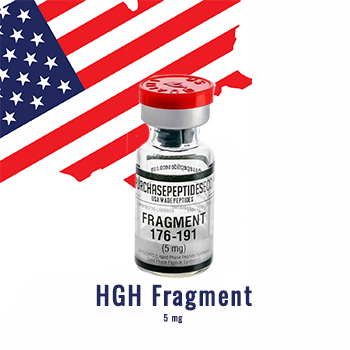
Fragment is a peptide derived from a specific active region of human growth hormone. It has attracted attention primarily because of its potential effects on fat metabolism. Rather than being viewed as a direct fat-loss drug, it is more accurately described as an investigational compound studied for its possible influence on how stored fat is mobilized and used for energy.
Peptides are compounds made from amino acids and are involved in many natural biological processes in the body. Fragment belongs to this broad category and has been researched in relation to lipid metabolism and fat-cell activity. For this reason, it is sometimes discussed as a potential supportive compound in weight-management research.
One of the most frequently discussed characteristics of Fragment is its potential influence on fat-cell mobilization. This refers to the process through which stored fat is broken down and made available for energy use.
It is sometimes claimed to have stronger effects on stubborn fat deposits around areas such as the waist, abdomen, and hips. However, reliable human evidence proving targeted regional fat loss is limited.
Fragment has been studied for its possible effects on fat metabolism, but it should not automatically be described as a compound that significantly “speeds up metabolism.”
Overall metabolic rate is influenced by many factors, including muscle mass, calorie intake, physical activity, sleep, hormonal balance, age, and genetics.
One of the major challenges during weight loss is preserving lean muscle tissue. Fragment has attracted research interest because it is intended to influence fat-related pathways rather than directly promote muscle breakdown.
However, preserving muscle during weight loss still depends heavily on adequate protein intake, resistance training, and avoiding overly aggressive calorie restriction.
Fragment is commonly encountered in injectable research formulations. Because it remains an investigational peptide, there is no universally approved dosing or self-administration protocol for weight loss.
Any injectable peptide carries additional risks related to sterility, product purity, contamination, and administration technique. For this reason, unsupervised use may create significant health risks.
Online discussions sometimes recommend using Fragment while fasting or before exercise. However, these timing strategies have not been established as standardized, evidence-based medical protocols.
The effectiveness and safety of Fragment in humans remain areas requiring further research.
Even if a compound influences fat metabolism, appropriate nutrition remains one of the most important factors in weight management. Sustainable fat loss generally requires a manageable calorie deficit and a balanced diet.
Adequate protein intake is important for preserving muscle mass and promoting satiety during weight loss.
When combined with resistance training, sufficient protein can help support body composition while reducing body fat.
Adequate hydration supports normal metabolism, exercise performance, digestion, and overall health.
Water consumption does not directly “flush out” burned fat, but staying properly hydrated is still an important part of a healthy weight-management plan.
Regular physical activity is one of the most effective ways to support long-term fat loss and metabolic health.
Walking, running, cycling, swimming, and similar cardiovascular activities increase energy expenditure and improve cardiovascular fitness.
A consistent exercise program can contribute to weight management when combined with an appropriate nutrition plan.
Strength training is particularly important for preserving or increasing muscle mass during weight loss.
Maintaining more lean muscle tissue can also support long-term energy expenditure and physical performance.
Even when fat-loss strategies are supported by medical or nutritional interventions, sustainable results usually take time.
Very rapid weight loss can increase the risk of losing lean mass and may be more difficult to maintain.
Weight loss should not depend solely on Fragment or any other peptide or supplement.
Important factors include:
Fragment should therefore be viewed, at most, as an investigational component rather than the foundation of a weight-loss strategy.
Experimental peptides such as Fragment may cause unwanted effects in some individuals.
Possible or reported effects may include:
Long-term human safety data remain limited.
People with chronic illnesses, hormonal disorders, diabetes, cardiovascular conditions, cancer-related medical histories, or those taking regular medications should not use investigational peptides without professional medical evaluation.
Weight management is not only physical; it also involves behavioral and psychological factors. Maintaining realistic expectations and consistent habits can make the process more sustainable.
Helpful strategies include:
Fragment is an investigational peptide studied for its potential effects on fat metabolism. However, evaluating it as a stand-alone fat-burning solution would be misleading.
Exercise, balanced nutrition, sleep, and broader lifestyle changes remain the main foundations of sustainable fat loss. Current evidence does not establish Fragment as an approved or guaranteed weight-loss treatment.
A planned, evidence-based, and medically appropriate approach remains the safest way to pursue long-term weight management.