
-
Call Us 0536 986 0950

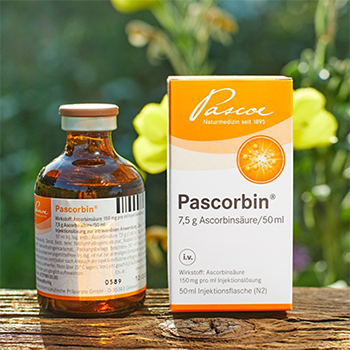
The body’s reaction after Pascorbin may vary depending on the dose administered, the rate at which the medication is given, the person’s kidney function, existing medical conditions, and medications they are taking. Pascorbin is a product administered intravenously and contains ascorbic acid, or vitamin C.
When administered intravenously, vitamin C levels in the blood can rise faster and reach higher concentrations compared with oral supplements. However, this does not mean that every person will experience the same benefits or symptoms.
The key points to know are:
No symptoms may occur during the first few hours after administration. However, some people may experience temporary dizziness, headache, nausea, or fatigue.
The official patient information leaflet lists temporary circulatory problems, blurred vision, gastrointestinal complaints, and increased frequency of urination among possible side effects. These symptoms should not be interpreted as signs that the treatment is working.
Headache or lightheadedness may be associated with:
An increase in urination is related to vitamin C being eliminated from the body through the kidneys. This does not indicate that the body is being cleansed of toxins.
The official product information states that some side effects are very rare reactions that may occur in up to 1 in 10,000 people. Even if symptoms are uncommon, their duration and severity should be monitored carefully when they occur.
Not every change felt after Pascorbin should automatically be interpreted as a positive effect of vitamin C. Vitamin C is important for collagen production, antioxidant defense, and the normal functioning of the immune system.
However, a single administration should not be expected to result in a lasting increase in energy, a noticeable strengthening of immunity, reduced skin pigmentation, or permanently improved sleep quality.
| Observed Condition | Possible Explanation | What Should Be Done? |
|---|---|---|
| Mild dizziness | Changes in blood pressure, fasting, or infusion rate | Sit down and inform healthcare staff |
| Increased urination | Elimination of vitamin C through the kidneys | Maintain fluid intake appropriate for your health condition |
| Nausea | Temporary sensitivity to the infusion | Inform the medical team if it worsens |
| Feeling energetic | May be temporary and individual | Should not be interpreted as a permanent treatment result |
| Sweating or feeling feverish | May be related to infection or a reaction to the administration | Measure body temperature and monitor symptoms |
| Rash and itching | May be a hypersensitivity reaction | Seek medical evaluation promptly |
Sweating, headache, or feeling feverish are not reliable signs that the immune system has become stronger.
The NIH states that vitamin C plays a role in the normal functioning of the immune system. However, evidence that vitamin C supplements prevent infections or significantly improve overall health in every individual is limited.
Some symptoms are not considered normal reactions to the treatment. If any of the following occur, the healthcare team should be informed immediately:
Mild lightheadedness may occur temporarily. However, shortness of breath is not considered an expected or normal reaction.
The official patient information leaflet lists respiratory hypersensitivity, rash, urticaria, itching, vomiting, diarrhea, and the formation of oxalate kidney stones among reported reactions. Fever and chills may also occur in some people with an active infection.
These symptoms should not be interpreted as signs of cleansing or detoxification.
If symptoms develop, the following steps may be taken:
Symptoms that become more severe or do not improve within a short time should be evaluated by a healthcare professional.
After Pascorbin, the main goal is to maintain the body’s fluid balance and monitor for unusual symptoms. However, it is not appropriate to recommend a single amount of fluid that applies to everyone.
Excessive fluid intake may be harmful for people with heart or kidney failure. The product instructions recommend approximately 1.5–2 liters of fluid per day unless a doctor advises otherwise.
After administration, a follow-up plan appropriate to the person’s health condition should be established.
On the same day, it may be helpful to:
People with diabetes need to be especially careful. High-dose intravenous vitamin C may cause inaccurate results in some blood glucose meters and laboratory tests.
Healthcare professionals should be informed about upcoming blood tests, chemotherapy, radiotherapy, or regularly used medications. The timing of certain tests and treatments may need to be planned specifically.
People with certain health conditions may have a higher risk of complications associated with Pascorbin administration. These conditions should be evaluated before treatment.
Situations in which risk may be higher include:
G6PD is an enzyme that protects red blood cells. In people with a deficiency of this enzyme, high-dose vitamin C may cause red blood cells to break down. This condition is called hemolysis.
People with impaired kidney function may be at risk of oxalate accumulation, kidney stone formation, or kidney damage. In conditions such as hemochromatosis, which causes excess iron accumulation in the body, vitamin C may create problems because it increases iron absorption.
The National Cancer Institute states that intravenous vitamin C may cause serious side effects in people with kidney disease or G6PD deficiency. In addition, intravenous vitamin C is not approved by the FDA as a cancer treatment in the United States.
Pascorbin should not be considered a primary treatment that replaces established treatment for an existing disease.
A safe approach to intravenous vitamin C administration depends on evaluating the individual’s health condition, determining an appropriate reason for use, and carrying out the treatment under professional supervision.
Intravenous administration can rapidly increase vitamin C levels in the blood. However, higher blood levels do not mean that all associated health claims have been proven.
High vitamin C levels and proven clinical benefits are not the same thing.
Information provided by the NIH and the National Cancer Institute shows that the effects of intravenous vitamin C may vary depending on the disease, the individual, and the characteristics of the research conducted. Decisions about its use should be based on the person’s health condition and current medical information.
Obtaining accurate information about Pascorbin is important for maintaining realistic expectations about the treatment. Social media posts, user comments, and word-of-mouth information may lead to symptoms being misinterpreted.
For example, symptoms such as headache, sweating, or fatigue may sometimes be described as part of a detoxification process. However, these complaints may be related to other medical causes.
Incorrect or incomplete information may delay necessary medical evaluation after treatment.
Intravenously administered products such as Pascorbin should be planned by considering the individual’s existing conditions, medications, and laboratory results. The same effect or the same bodily reaction should not be expected in every person.
Body reactions after Pascorbin may vary from person to person. Not every symptom should be interpreted as a sign of a positive process. For safe administration, the person’s health condition should be assessed beforehand, the appropriate dose should be determined, and regular medical monitoring should be provided.