
-
Call Us 0536 986 0950

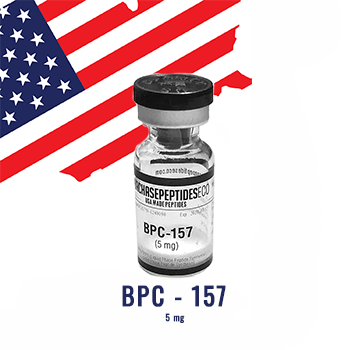
BPC-157 is a peptide that has gained considerable attention in health, sports, and regenerative research in recent years. Studies have investigated its potential effects on tissue repair, inflammation, and gastrointestinal health. So, what exactly is BPC-157 and what does it do? Below, we examine its potential effects, areas of research, and possible risks.
BPC-157 stands for Body Protection Compound-157. It is a synthetic peptide associated with a protective protein fragment originally identified in gastric juice and has become particularly well known for its potential role in tissue regeneration.
Laboratory studies have investigated BPC-157 in a variety of areas involving tissue damage, inflammation, and gastrointestinal protection.
It has attracted particular interest among athletes, researchers, and people interested in compounds associated with recovery and regenerative medicine.
The most commonly researched effects of BPC-157 include:
BPC-157 has been studied for its potential to support the repair of muscles, tendons, ligaments, and other tissues. Experimental studies have examined its effects on injury recovery and tissue regeneration.
This peptide has been extensively studied in experimental models involving the stomach and intestines. Research has examined whether it may help protect gastric mucosa and support healing in conditions involving ulcers, intestinal inflammation, and gastrointestinal injury.
BPC-157 has also attracted interest in research involving intestinal barrier integrity and increased intestinal permeability.
BPC-157 has been investigated for potential anti-inflammatory or inflammation-modulating effects. This has made it a subject of research in areas involving tissue injuries and inflammatory conditions.
However, it should not be considered an established treatment for arthritis or other inflammatory diseases.
Preclinical studies have investigated BPC-157 for possible neuroprotective and regenerative effects.
Areas of experimental research include:
Most evidence in these areas comes from animal studies, so clinical relevance in humans remains uncertain.
BPC-157 has been studied for its possible influence on blood vessel formation, vascular repair, and nitric oxide-related signaling.
These mechanisms may contribute to improved blood flow in damaged tissues under experimental conditions.
Research has also examined BPC-157 in relation to:
These findings have contributed to its popularity in sports and recovery-related discussions, although high-quality human evidence remains limited.
BPC-157 is commonly encountered in injectable or oral research formulations. However, because human clinical data are limited, there is no standardized, medically approved dosage or treatment duration for general human use.
Commonly encountered forms include:
Any health-related consideration involving BPC-157 should be discussed with a qualified healthcare professional.
Although many potential benefits have been proposed, long-term human safety data for BPC-157 remain limited.
Reported or possible adverse effects may include:
Other risks may not yet be fully understood because controlled human studies are limited.
BPC-157 is not approved by the FDA as a medication for human treatment. For this reason, claims regarding its effectiveness and safety should be interpreted cautiously.
BPC-157 has shown interesting results in experimental research involving tissue repair, inflammation, and gastrointestinal protection. However, most of the available evidence comes from laboratory and animal studies, and more high-quality human research is needed.
If you are considering BPC-157, professional medical guidance is important. Because it is not an approved treatment and product quality can vary significantly between suppliers, purity, regulatory status, and potential health risks should be carefully evaluated.