
-
Call Us 0536 986 0950

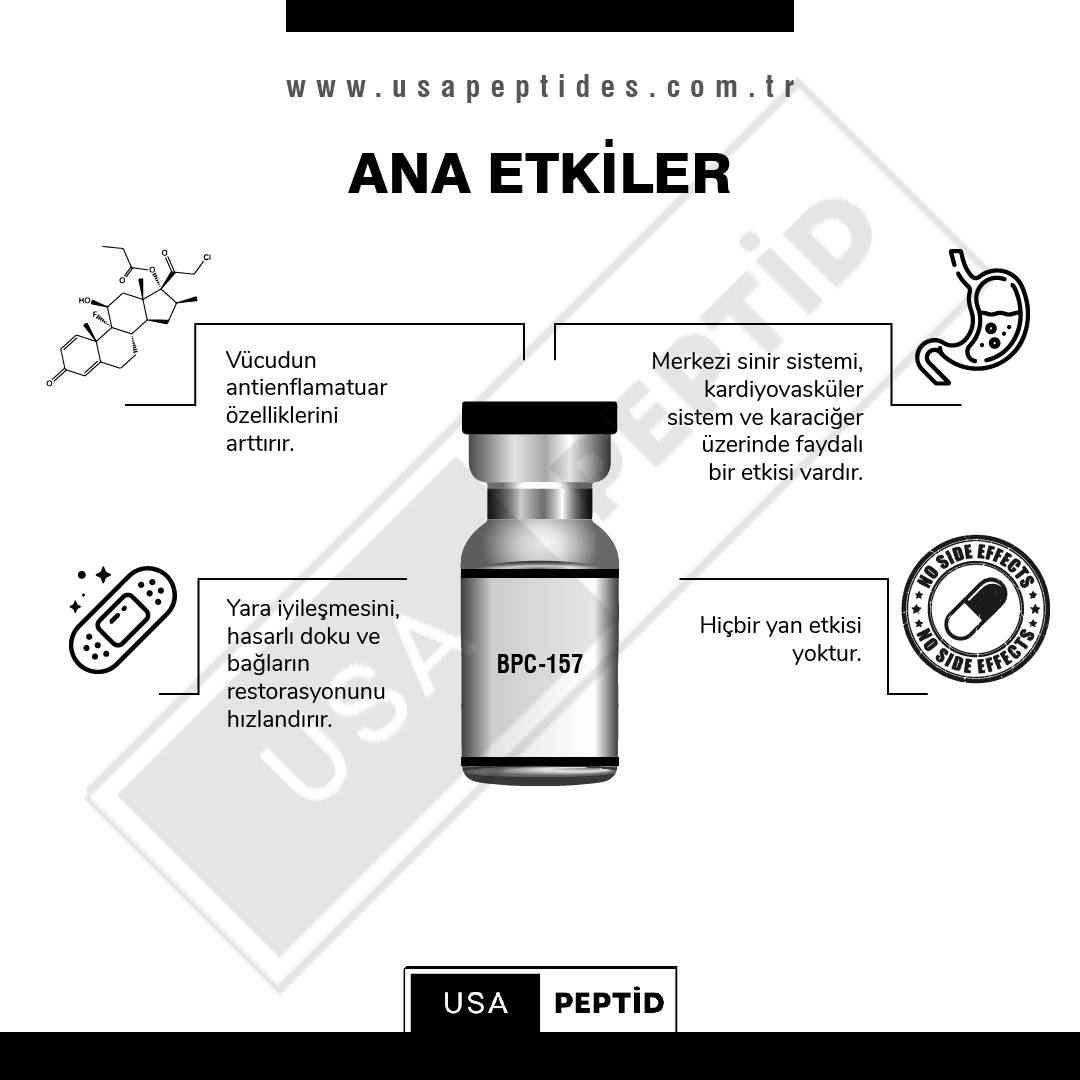
Gastric ulcers are among the most common gastrointestinal conditions. BPC-157 has attracted attention in experimental research because of its potential effects on healing processes in stomach and intestinal tissues.
Preclinical studies suggest that BPC-157 may influence inflammatory responses, blood flow, mucosal protection, and connective tissue repair. These mechanisms have made it an important research compound in studies involving gastric ulcers and gastrointestinal tissue damage.
Potential effects investigated in research include:
However, claims that BPC-157 cures ulcers in 90% of users or has no side effects are not supported by robust clinical evidence. Most available findings come from animal and laboratory studies, and reliable large-scale human trials remain limited.
BPC-157 is not an approved treatment for gastric ulcers in humans. Anyone experiencing symptoms of an ulcer should seek medical evaluation, particularly because established causes such as Helicobacter pylori infection or NSAID use may require specific evidence-based treatment.